There is an invisible question we all ask ourselves every time we go shopping, every morning we stand in front of our wardrobe: Who will I be when I wear this?
Original Source : https://www.patronlardunyasi.com/channelden-diora-hermesten-yslye-dolce-gabbanaya-siz-hangi-markanin-kadinisiniz
This is a question that has silently passed through every woman’s mind for years. Because the moment we decide what to wear, we are also deciding how we will appear to the world that day, how we will feel, and who we will be. Clothing is not just a choice — it is the expression of the identity we take on for that day. The history of fashion is, in truth, the evolutionary history of women’s identity.
Every era does not tell women how they should look — it tells them how they can exist.
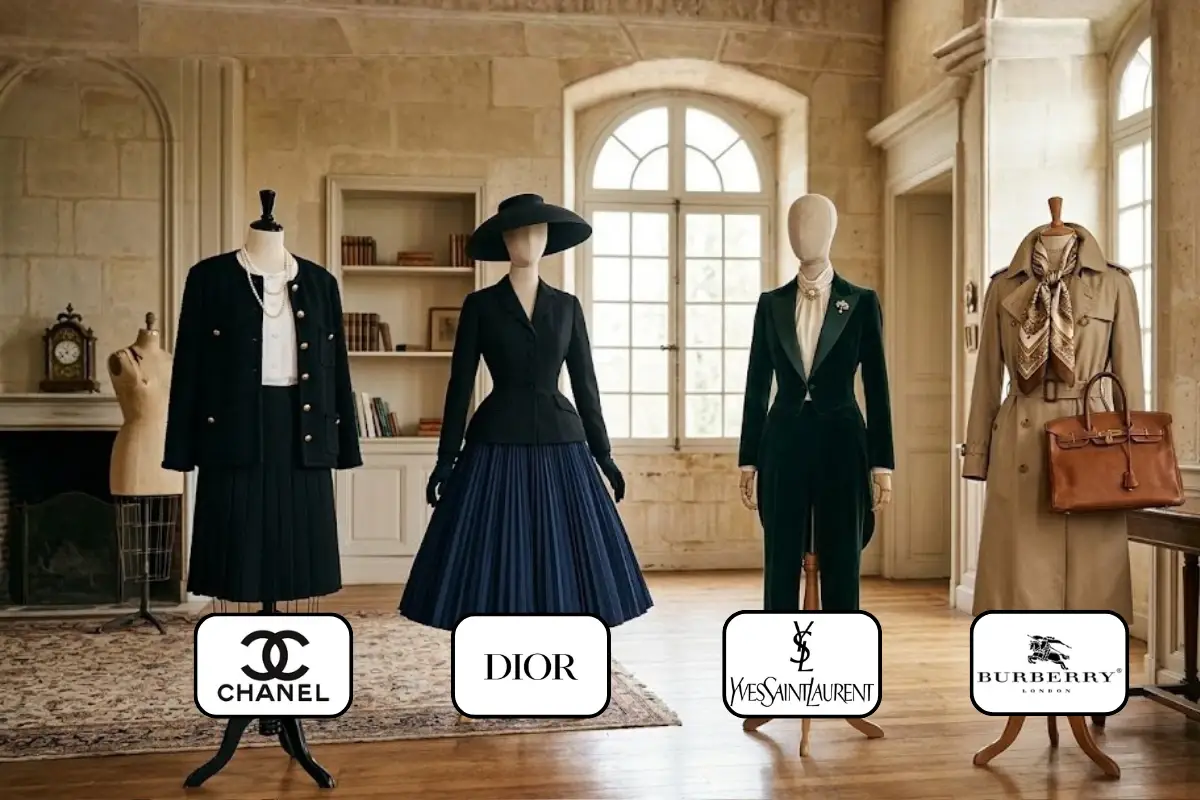
The Chanel Woman
Imagine living at the dawn of the 20th century, when voluminous skirts, corsets tight enough to make you faint, and a notion of elegance that restricted even freedom of movement reigned supreme. The female body existed as an aesthetic form, but was not free.
It is precisely in this moment that the Chanel stance steps onto the stage — and perhaps it resonates more deeply with you. You might prefer to be a woman of “revolution.” Perhaps you live in an era when women are beginning to be visible in the public sphere, when suffrage struggles are being spoken of, yet wardrobes still represent the old order. In those years when even wearing trousers was met with strangeness, embracing masculine silhouettes was not merely a stylistic choice — it was the declaration of a new female identity.
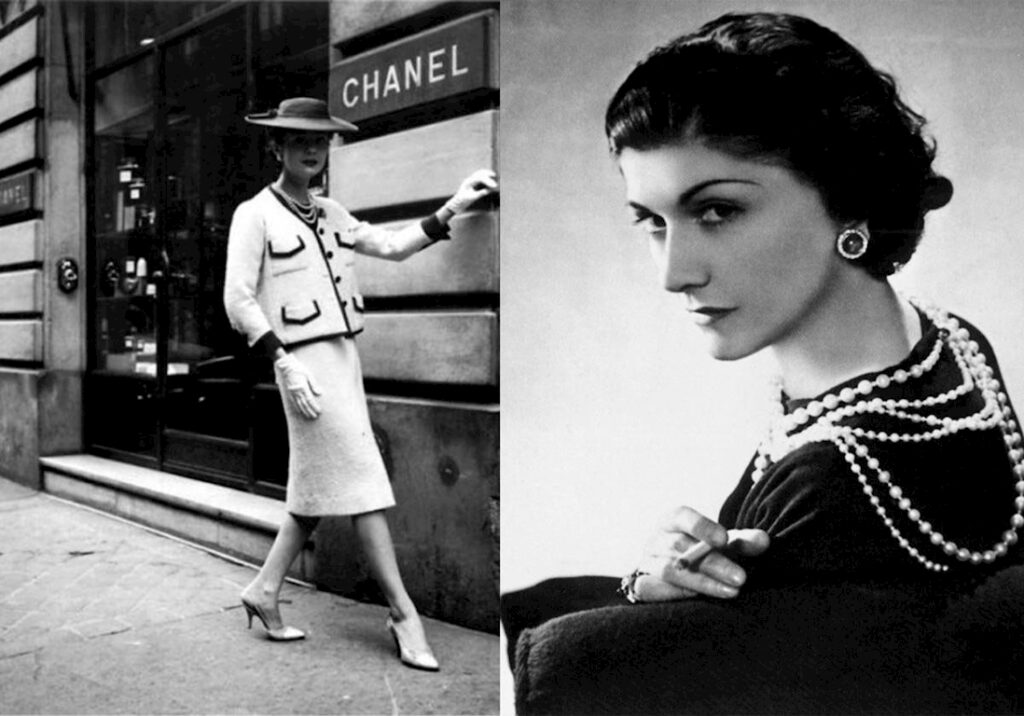
With jersey fabrics inspired by men’s wardrobes, tweed suits, and corset-free silhouettes, you choose to carry your femininity not by adorning it, but by liberating it. Because for you, elegance is not constraint — it is the freedom to move.
You are a woman who carries your freedom through aesthetics: simple yet powerful, uncompromising on comfort, rejecting excess.
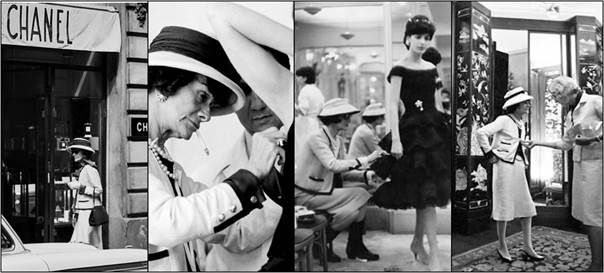
The Dior Woman
It is 1947. The Second World War has just ended. The fabric shortage has barely eased, and thinking about what to wear has long been the least of your worries. For years you have been forced to wear masculine, plain, military cuts. Your silhouette has hardened; femininity has been pushed aside.
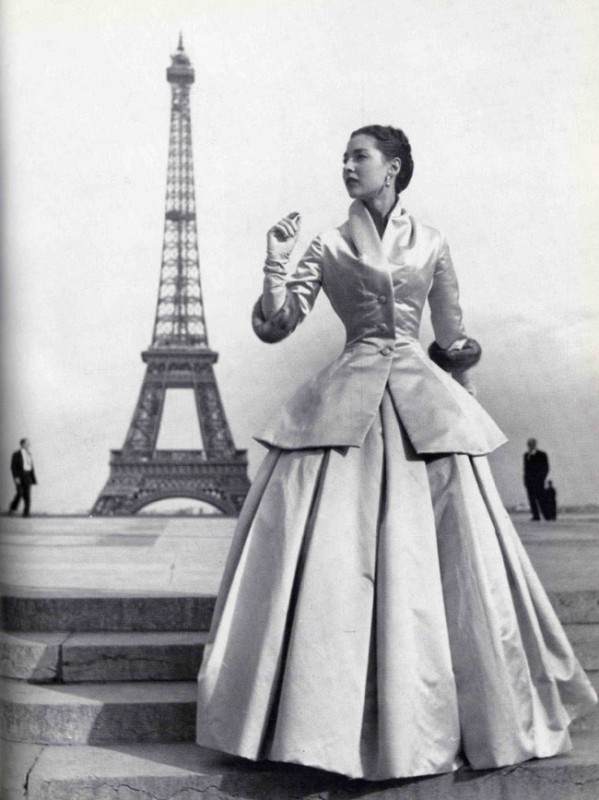
And then Christian Dior steps onto the stage, presenting the “New Look” that reminds you of your womanhood, your femininity, your grace. A slender waist, voluminous skirts, a defined silhouette… In the aftermath of war, a posture that says “elegance is strength” creates something beyond mere style. At the same time, this silhouette — using meters of fabric at a time when wartime austerity had demanded the very opposite — became the symbol of economic recovery and reborn luxury.
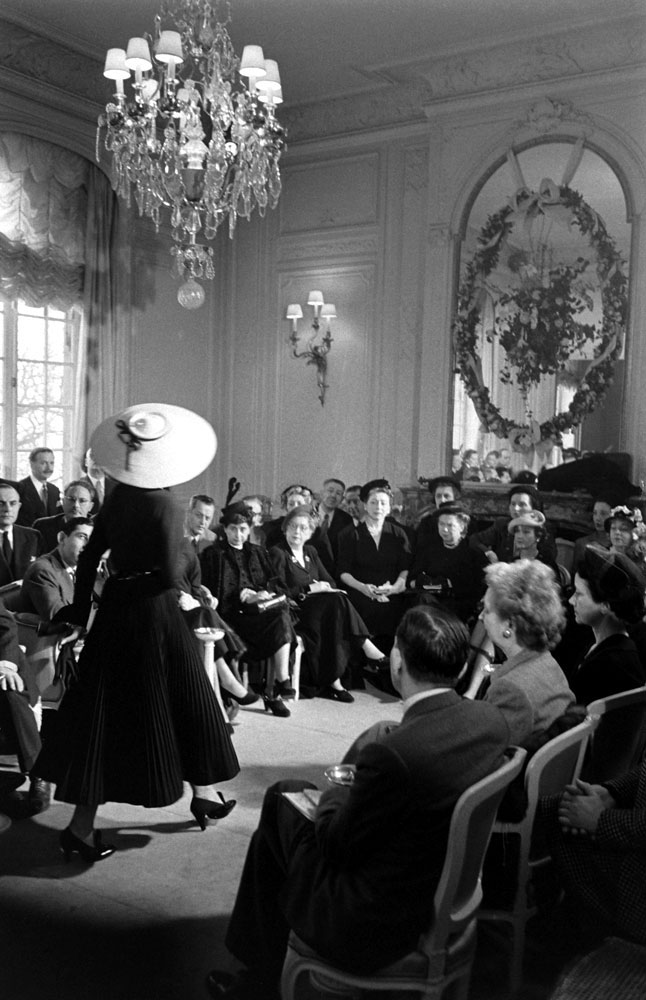
And so, when you choose to be a Dior woman, you are: feminine but not fragile, graceful but not passive, composed but effective.
The Yves Saint Laurent Woman
Perhaps you are a woman of firsts. This time, you might be a Yves Saint Laurent woman who stepped onto the stage in 1966 — not as a tribute to femininity, but as a reaction to the singular perception of femininity.
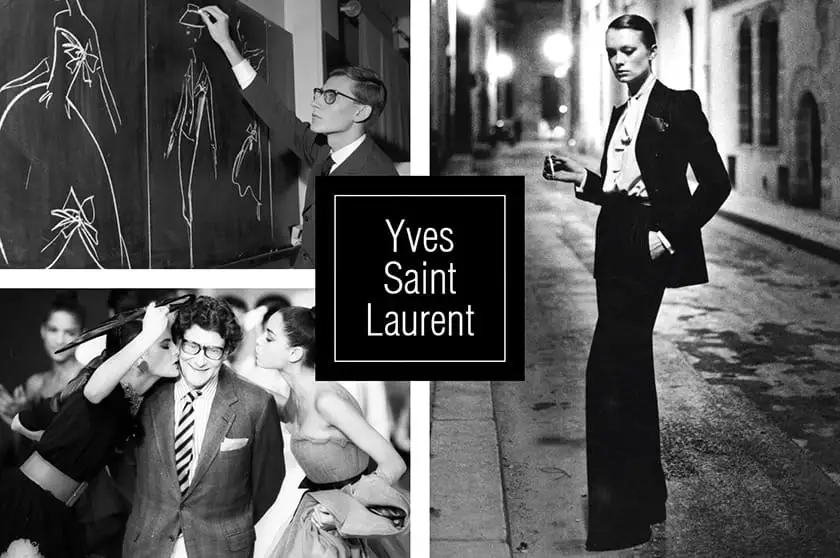
You can claim the moment when the tuxedo, a symbol of masculine power, was adapted for women, and carry that masculine icon with confidence as an act of defiance. Known as “Le Smoking,” this design was not merely a suit — it was the first time a symbol of power deemed masculine was claimed by a woman.
And so you are: rebellious yet cultured, striking yet measured, a woman who does not hide her power.
The Hermès Woman
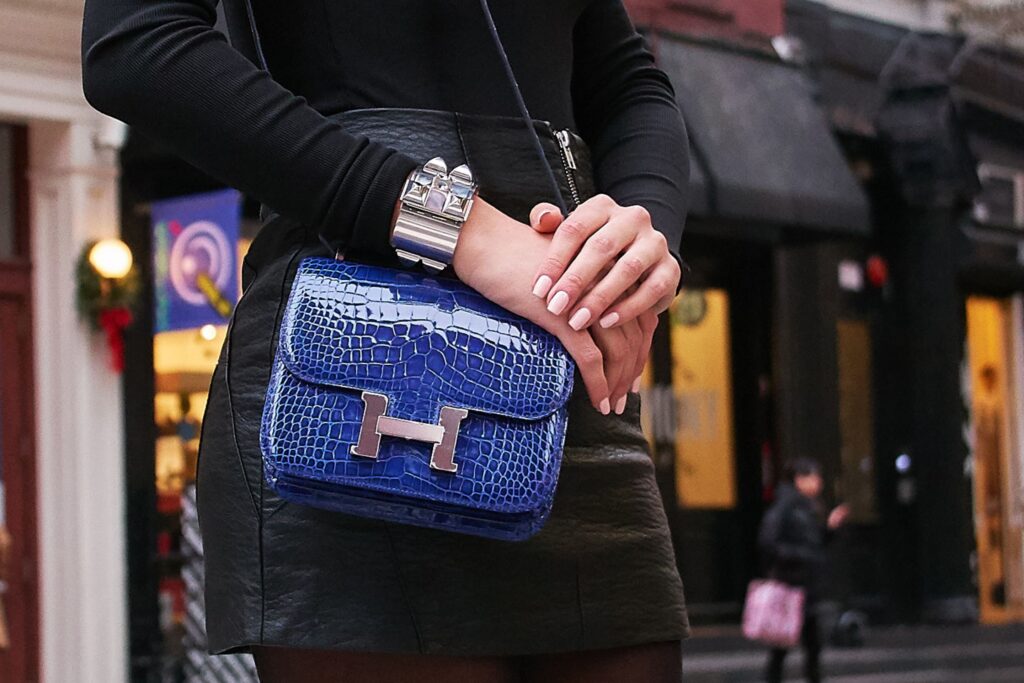
Perhaps you prefer fine craftsmanship. Since 1837, this mastery of saddlery has been stitched stitch by stitch onto everything you wear. You are a Hermès woman — silent and unhurried, yet unmistakably quality from miles away. This philosophy of craft, rooted in equestrian culture and upholding the tradition of every piece being made by a single artisan, has made patience and perfection its core values. Today, iconic designs like the Birkin bag — beloved by royalty and celebrities alike — carry this heritage in every stitch.
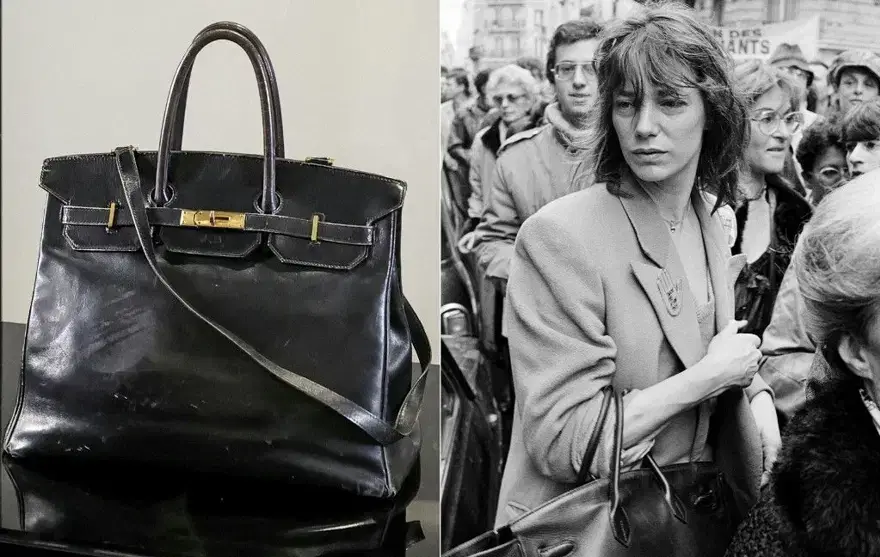
You carry the legacy of the brand: you do not chase trends, you bear a dignified and noble stance, patient, never in pursuit of ostentation — silent and quality.
The Dolce & Gabbana Woman
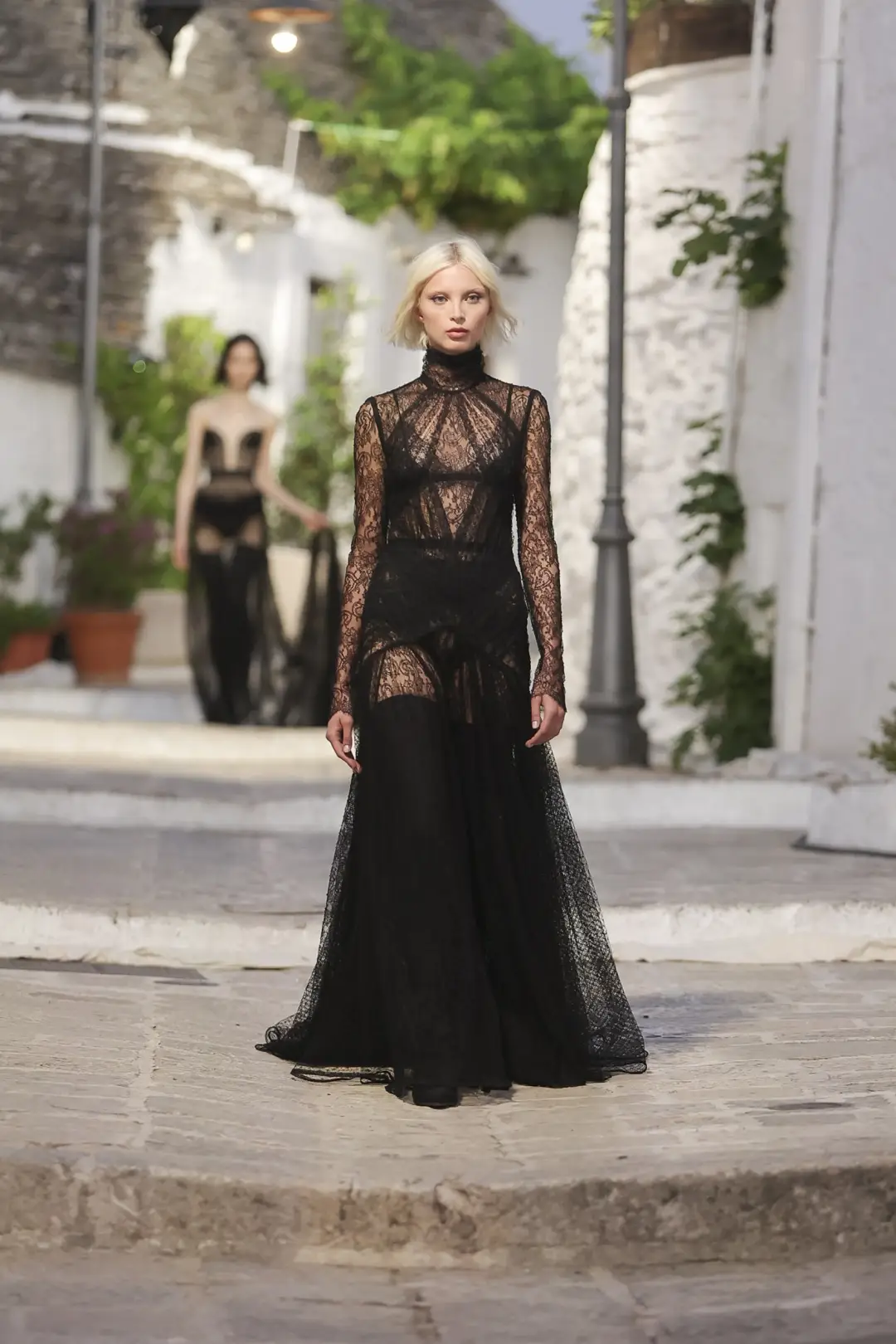
Perhaps warm climes suit you perfectly. You might be the woman of emotions woven together with the Sicilian-rooted aesthetics of Dolce & Gabbana: dramatic, passionate, intertwined with Italian family culture. The real Italian family figures and dramatic costumes brought to the runway in the Alta Moda collections push the boundaries of love and passion, revealing the simultaneously powerful and dramatic side of womanhood.
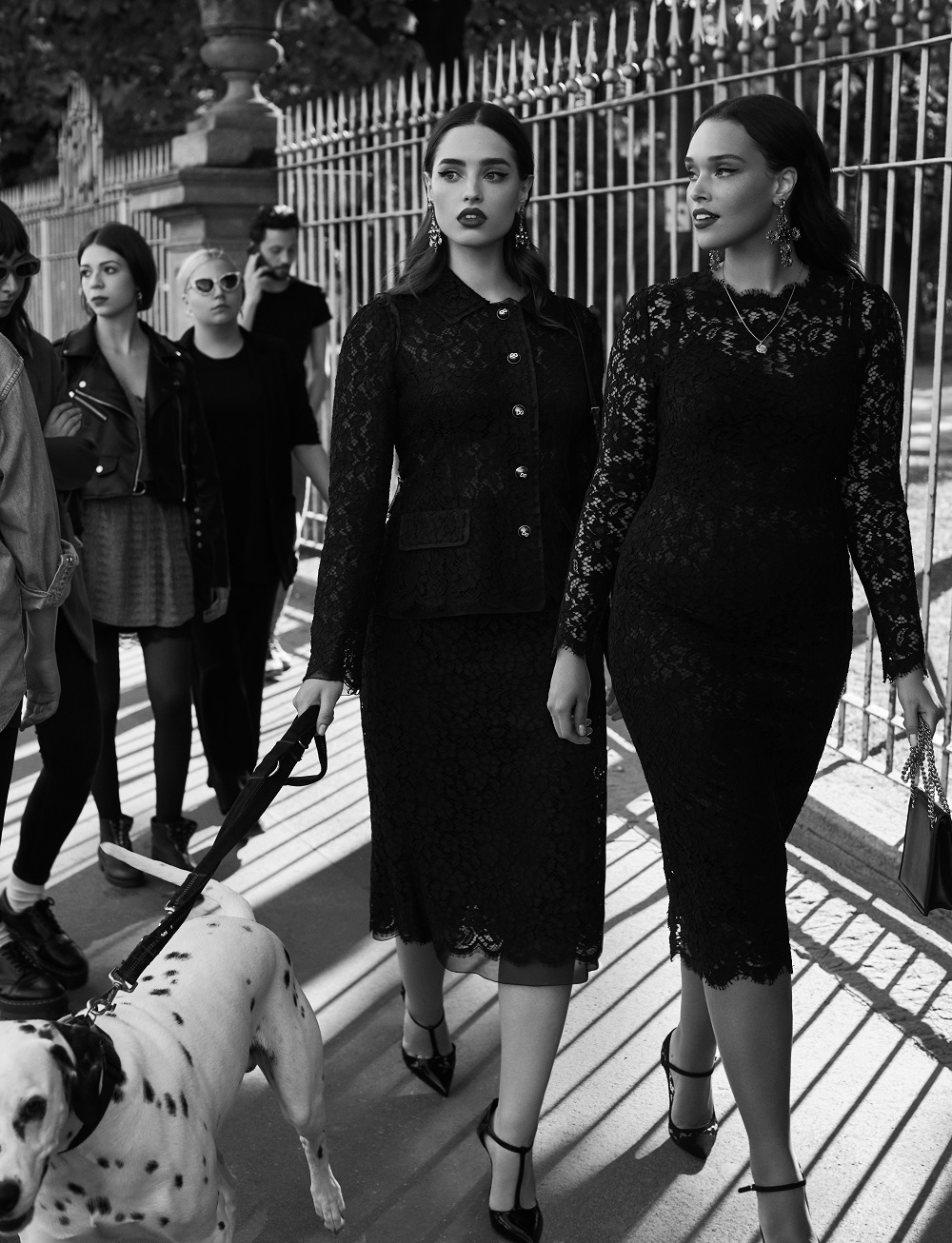
The warmth of the climate flows from within you onto the fabrics you wear; you carry a fierce yet feminine presence.
You are passionate, you live your emotions openly, you do not fear love or drama.
Closing Reflection
Every brand does not merely produce clothing. It produces the spirit of the era in which it was born, the way it looks at women, and how power is defined. And each morning, standing before our wardrobe, we are not simply deciding what to wear — we are choosing which stance to take.
So, which woman will you choose tomorrow morning when you stand before your wardrobe?