Just as the wounds of the pandemic were beginning to heal, war brought the entire agenda back onto the field. As soon as petrol became more expensive, flights were cancelled, insurance costs rose, and food prices climbed — war had begun. People started thinking not about which designer bag to buy, but about whether their flight home would be cancelled. Basic needs had overshadowed the story luxury had been telling.
Original Source : https://www.patronlardunyasi.com/kuresel-luksun-buyume-alani-ve-guvendigi-dag-olan-orta-dogudaki-savas-dengeleri-nasil-degistirdi-son-rakamlar-ne-anlatiyor
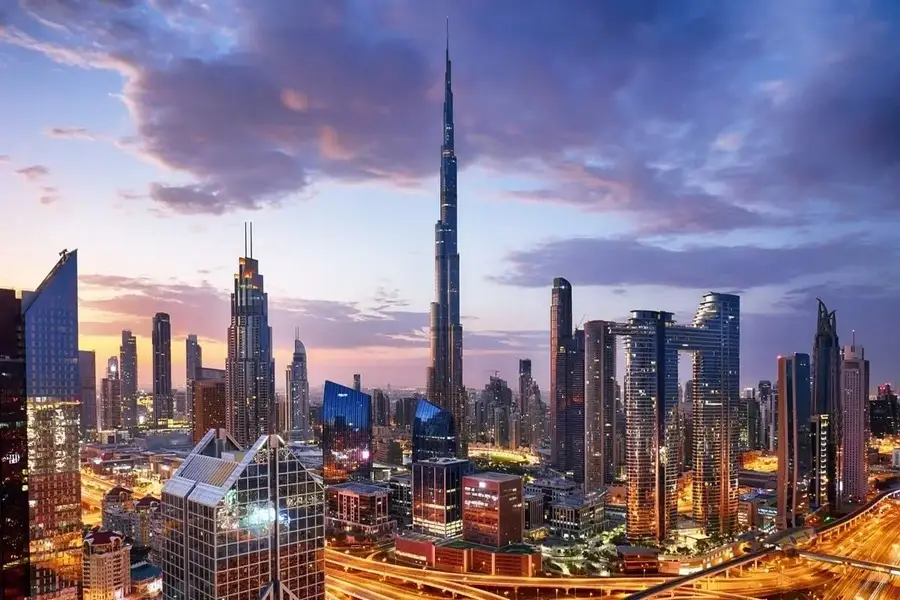
In February 2026, the attacks by the United States and Israel against Iran made this impact particularly visible in the Middle East — a region that had, in recent years, been one of the luxury sector’s fastest-growing markets.
The Gulf’s Rise as a Luxury Powerhouse
In recent years, as China slowed, brands had turned their gaze towards the Gulf. Customers from Gulf states such as Saudi Arabia, the United Arab Emirates, and Qatar were spending several times more than the general customer base. Luxury stores and shopping centres shifted their investments to this region. It had become the epicentre of post-pandemic recovery. The majority of visitors were high-spending tourists — among the world’s largest tax-free luxury consumer groups. The region represented approximately 6% of global luxury sales and, in 2025 — a year when the worldwide market was sluggish — managed to achieve growth of between 6% and 8%.

That picture held until 28 February 2026.
The Immediate Impact
Approximately 9% of stores in the region are located at airports; the drop in passenger traffic at critical hubs such as Dubai International Airport directly affected sales. When flights stopped, it was not only people who halted — so did luxury spending. The Louis Vuitton and Gucci boutiques at Dubai International Airport fell silent, Hermès display windows sat empty, and Chopard was forced to postpone its private events. Brands now found themselves having to reconsider not only the present, but also their plans for the future.
On the Ground
This shift is most visibly apparent not on paper, but in the streets. While physical store closures have not been directly observed in Saudi Arabia and Turkey, in countries such as Bahrain, Qatar, and Kuwait it is now common to see hollowed-out stores and brand withdrawals. In the United Arab Emirates, stores have remained open, but demand has
fallen; even critical points such as Dubai International Airport can no longer achieve their customary visitor density.
Luxury Faces Uncertainty
War is reshaping not only borders, but economic balances as well. The luxury sector has grown for years by managing desire. But today it faces something it cannot manage: uncertainty. The question is no longer how to create desire — it is how to manage uncertainty. And in the Middle East, even the cancellation of a single flight is a small but powerful indicator of this new reality.