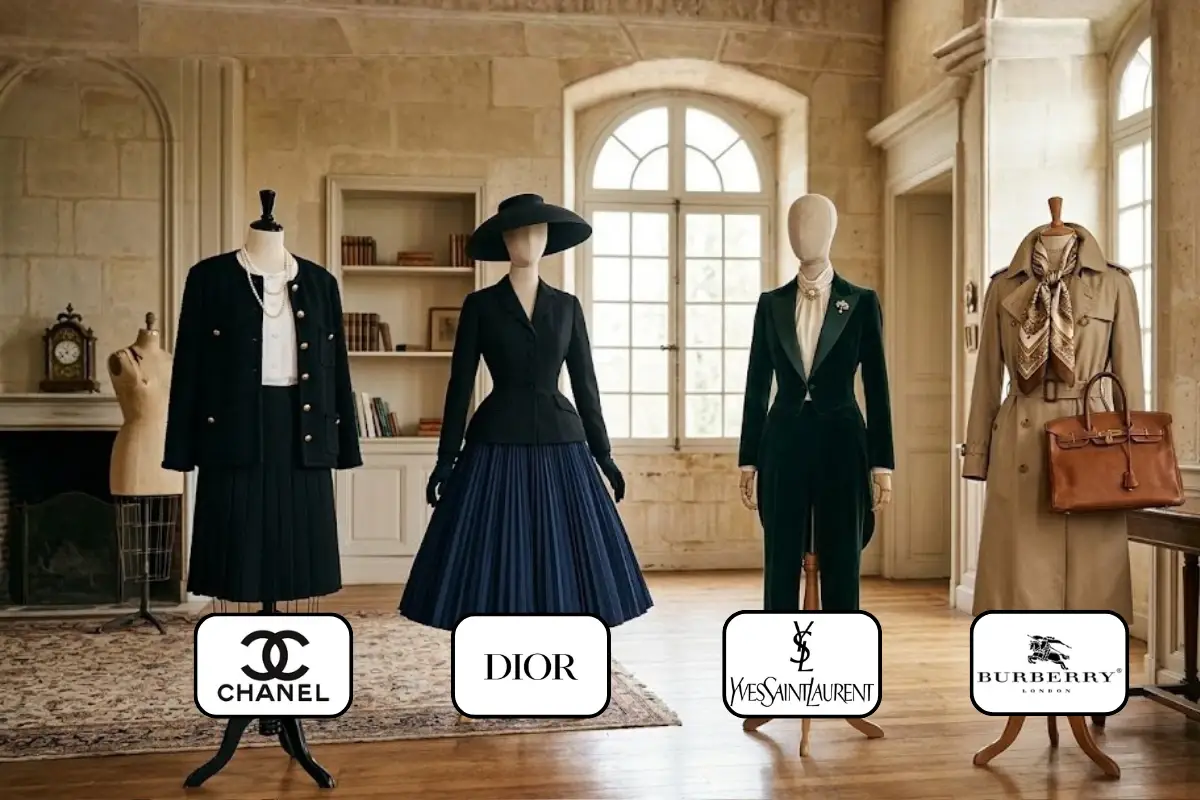
When we think of fashion, the first things that come to mind are designers, the celebrities who wear those brands, and perhaps the trends of the moment. But is fashion really just that? Or is there a far larger world behind what is visible — a powerful business network and a multi-billion-dollar economy?
The story of many luxury fashion brands we know today actually begins quite humbly. Most of the brands that have endured to the present day emerged from the small worlds of the designers whose names they bear. Hermès, for example, was a leather craftsman working in a small saddlery workshop in 1837. Louis Vuitton was a trunk maker. Gucci sold leather goods in a small boutique. And Chanel began her career designing in a small hat shop.
Original Source : https://www.patronlardunyasi.com/luks-markalar-nasil-kuresel-imparatorluklara-donustu
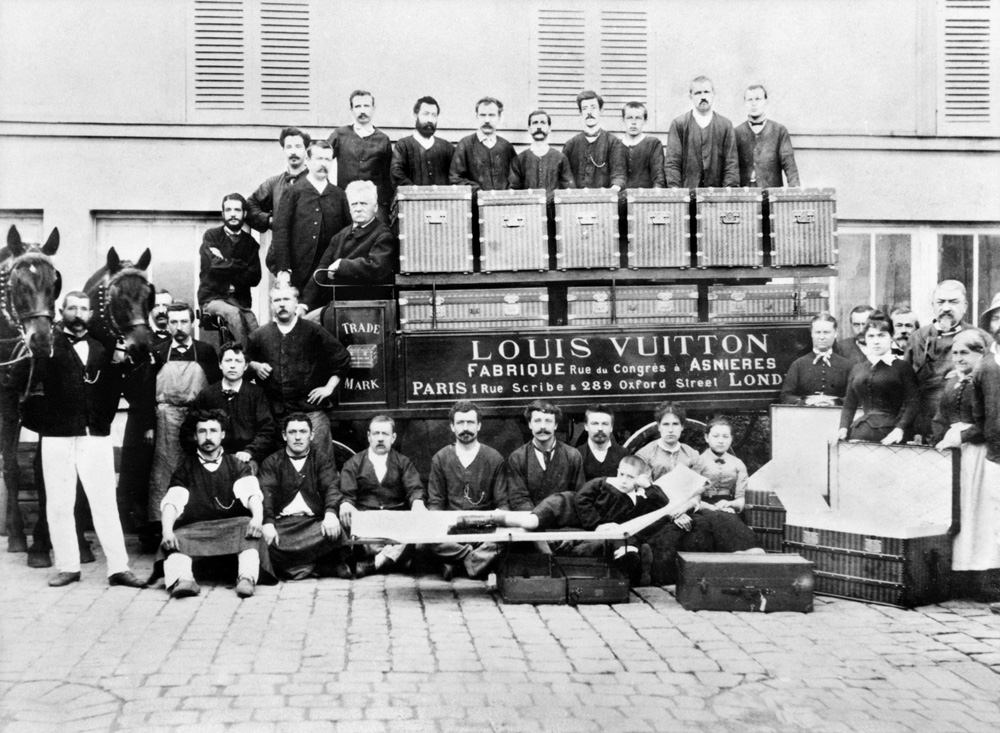
When we look at these brands today, we see vast fashion empires — yet their beginnings were quite modest and craft-focused. Even in those early days, however, the work these designers did was never merely about producing a product. The fabrics they used, the lines they drew, the craftsmanship and character they invested in their designs gradually built a strong identity around these brands.
Even before Chanel had become the global luxury brand it is today, those designs were already a symbol of prestige for those who could wear them. At the time, dressing from certain fashion houses, appearing at their events, or carrying their designs was, in fact, a status marker — in this sense, not so different from what it is today.
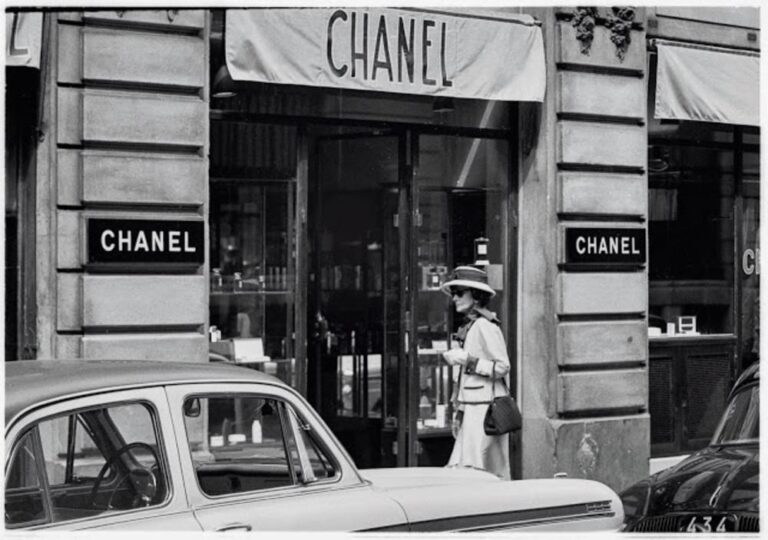
So even then, it was never just about the clothes. When you wore those designs, you were showing that you belonged to a particular world. It is precisely here that the foundation of luxury was born. When a design ceases to be merely an aesthetic choice and transforms into a social status symbol, fashion simultaneously begins to generate a powerful economy.
How Big Is Fashion Today?
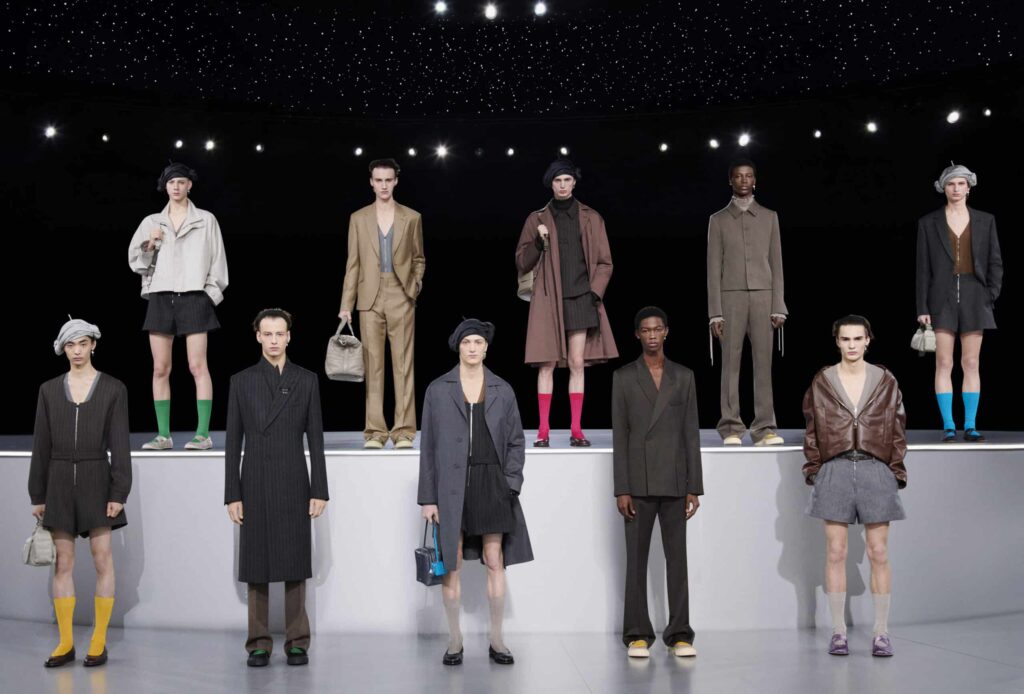
Is it really just the collections designers show on runways, and the outfits we see on red carpets? Not at all. Today, fashion is not only an aesthetic domain — it is also a colossal economy. When we look at the scale of the global fashion industry, the sector represents a market of approximately 2 to 2.5 trillion dollars. In other words, fashion is no longer merely a space where style is discussed — it is one of the world economy’s major players. In fact, the annual sales of some fashion groups rival the economies of small countries.
The Conglomerates Behind the Brands
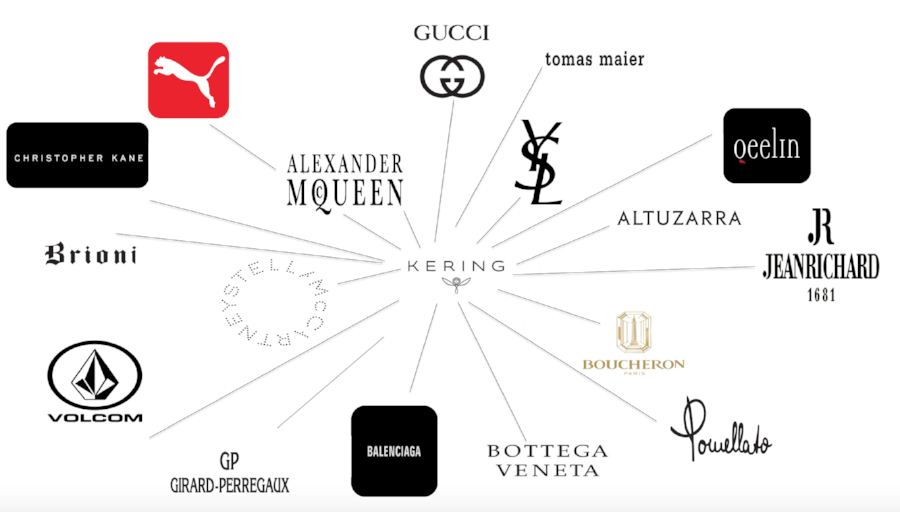
The reality is that a large part of today’s luxury fashion world sits within the structures of enormous corporations. LVMH, for example, is one of the world’s largest luxury groups, housing some of the most powerful names in fashion: Louis Vuitton, Dior, Fendi, Celine, Givenchy, and Loewe. Similarly, under the Kering group, you find Gucci, Saint Laurent, Balenciaga, Bottega Veneta, and Alexander McQueen. And Richemont — another major player — is particularly dominant in jewellery and watchmaking, with Cartier, Van Cleef & Arpels, and Piaget under its umbrella.
So today, fashion is not shaped solely by designers’ creativity. It is also a vast sector steered by large corporations, investors, and global capital. Decisions are no longer made in design ateliers — they are made at large boardroom tables, shaped by far more strategic considerations.
The Power Players
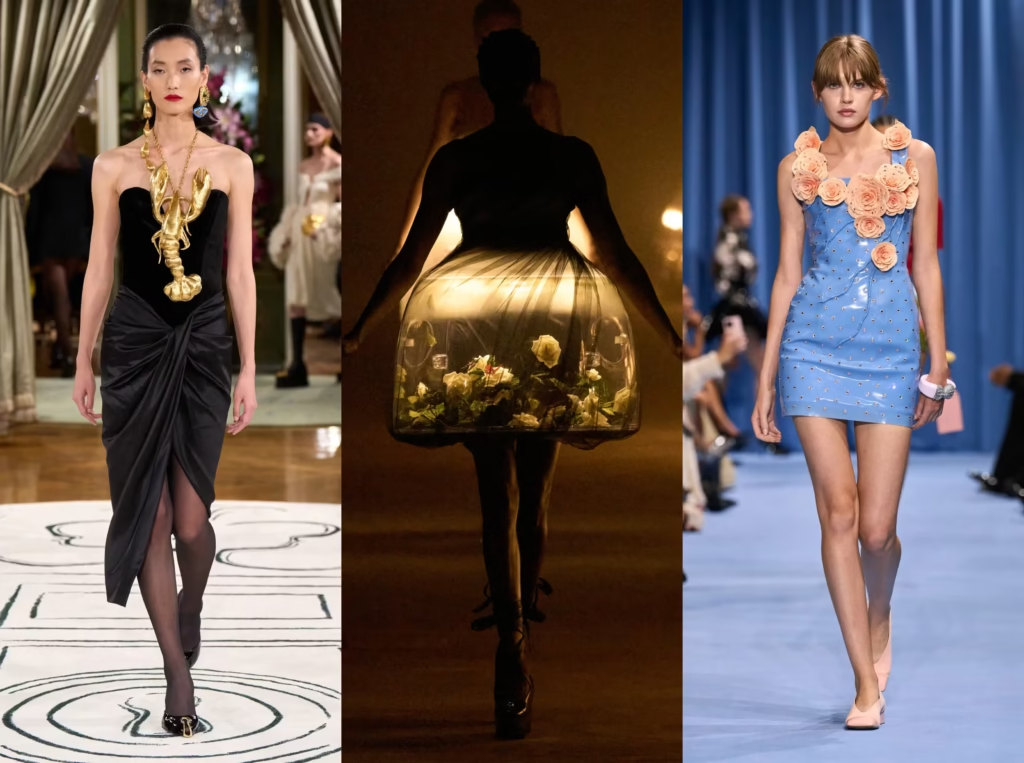
Bernard Arnault, who heads the LVMH group, has long been counted among the world’s wealthiest individuals, with a fortune that has at times exceeded 200 billion dollars. In other words, fashion is not only linked to aesthetics and creativity — it is also bound to enormous financial power. Similarly, François-Henri Pinault at the helm of Kering and Johann Rupert, the owner of Richemont, are among the most powerful figures in the sector.
These people behind the fashion world are not only managing brands — they are directing the global luxury economy. And their influence extends beyond fashion: they leverage the power of art as well. Arnault, for instance, invests in artists not yet widely known to the fashion world — such as Takashi Murakami, Stephen Sprouse, and Jeff Koons — elevates them, and then presents them within the Louis Vuitton framework through limited collections. Almost like works of art, every piece is exclusive and limited. Even those who will wear these pieces are carefully selected; the status and prestige being created are carefully preserved.
Investments are made in world-famous events; sponsorship deals are signed that signal the next move. For instance, the 10-year LVMH sponsorship deal with Formula 1 may well be signalling the arrival of a luxury sports collection under the Louis Vuitton banner.
Managing Desire
How do luxury brands manage to generate such a powerful economy? The secret lies in managing “desire.” Did you know that for Hermès’ famous Birkin bag, waiting lists in some countries stretch for years? There are people who wait three to six years just to own a single bag. This reveals one of the most important strategies of luxury brands: managing not the product, but the desire.
Conclusion
Looking at all of this, it is not difficult to see that the world of fashion is not merely an aesthetic domain. Stories that once began in small workshops have today transformed into a global economy worth billions of dollars.
At the end of the day, even if we cannot see it, behind this world of fashion lies a world far greater than any design atelier. Fashion does not only produce clothing — it produces status and economic power. What were once small craft workshops have today become cultural empires at the centre of global capital networks.